Venezuela Is the First Big Test for the Pentagon’s Influencer Press Corps—and It’s Failing
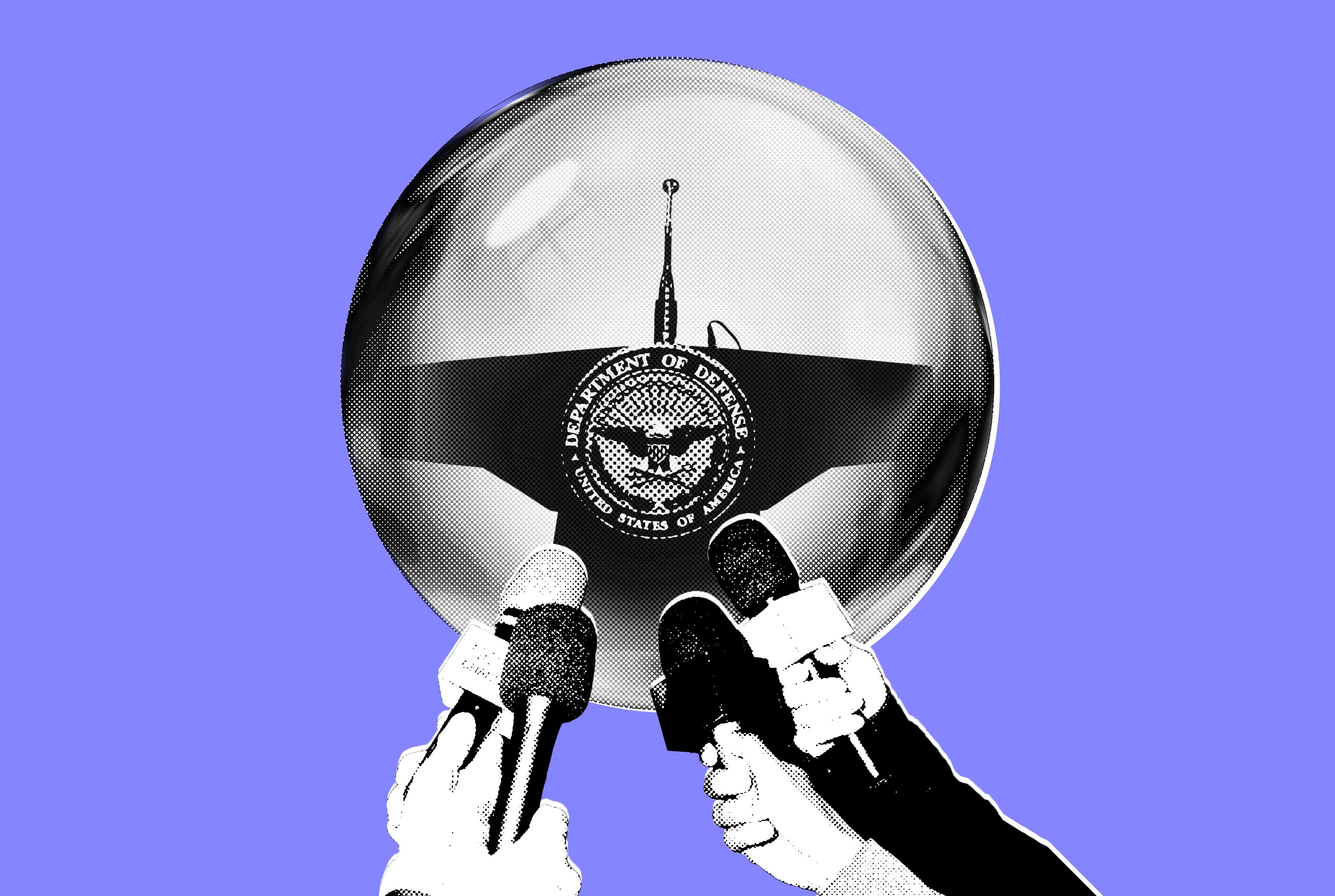
Venezuela Is the First Big Test for the Pentagon’s Influencer Press Corps—and It’s Failing
The Pentagon’s new influencer press corps is facing its first major challenge in Venezuela, and early reports suggest that it is failing to deliver on its promise of shaping the narrative in favor of US interests.
Despite a concerted effort to amplify pro-US messaging on social media platforms, the influencer press corps has struggled to gain traction with audiences both in Venezuela and around the world.
Many critics argue that the Pentagon’s attempt to weaponize social media influencers is both ineffective and unethical, with some experts warning that it could further erode trust in US military interventions.
The situation in Venezuela remains fluid, with conflicting reports and narratives emerging from different sources. The influencer press corps’ inability to control the narrative has only added to the confusion and chaos.
Proponents of the Pentagon’s influencer press corps defend its actions as a necessary response to the changing media landscape, where traditional outlets are losing ground to social media influencers and online personalities.
However, skeptics point out that the Pentagon’s reliance on paid influencers and sponsored content raises serious questions about the integrity and independence of the information being disseminated.
As the crisis in Venezuela continues to unfold, the Pentagon’s influencer press corps will face increasing scrutiny and pressure to justify its existence and effectiveness.
Ultimately, the success or failure of the Pentagon’s influencer press corps in Venezuela will have profound implications for future US military operations and propaganda efforts around the world.
Only time will tell if the Pentagon can course-correct and salvage its reputation in the realm of influencer warfare.